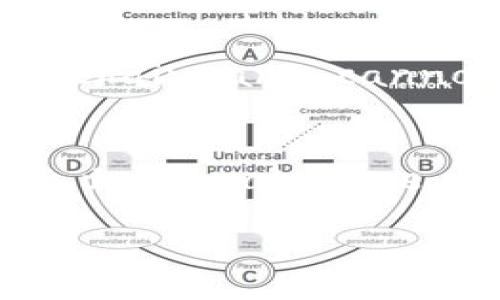
Blockchain Mutual Assistance Platform IntroductionThe Blockc

    Blockchain Mutual Assistance Platform Introduction

The Blockchain Mutual Assistance Platform represents a revolutionary approach to community support and resource sharing through the innovative use of blockchain technology. With the aim of creating a secure, transparent, and efficient environment, this platform allows individuals to help each other while benefiting from decentralized systems. Here’s an in-depth exploration of its functionalities, benefits, and potential applications.

What is a Blockchain Mutual Assistance Platform?
A Blockchain Mutual Assistance Platform is a decentralized application (DApp) where users can join forces to assist one another in various needs such as financial aid, medical support, or skill sharing. By leveraging blockchain technology, these platforms ensure that all transactions and interactions are recorded securely and transparently, which helps to build trust among participants.

Key Features of the Platform
The platform boasts several key features that distinguish it from traditional assistance programs:
ul
    listrongDecentralization:/strong Unlike traditional platforms that are controlled by central authorities, a blockchain mutual assistance platform operates in a decentralized manner, empowering individuals to manage their interactions./li
    listrongSmart Contracts:/strong The use of smart contracts automates processes such as fund distribution, ensuring that agreements between users are executed without the need for intermediaries./li
    listrongTransparency:/strong All transactions are recorded on the blockchain, providing transparency and accountability, which is essential for building trust within the community./li
    listrongSecurity:/strong Blockchain technology enhances security by encrypting data and ensuring that user information cannot be easily manipulated or accessed by unauthorized parties./li
    listrongGlobal Reach:/strong The platform can connect users from different geographical locations, allowing for a more extensive network of assistance and resources./li
/ul

Benefits of Using the Platform
By utilizing a Blockchain Mutual Assistance Platform, users can experience a variety of benefits:
ul
    listrongEmpowerment:/strong Users take control over their assistance needs and are not reliant on bureaucratic systems or gatekeepers./li
    listrongReduced Costs:/strong With the elimination of intermediaries, transaction fees are significantly lower, making assistance more affordable./li
    listrongCommunity Building:/strong The platform fosters a sense of community by enabling users to connect, collaborate, and support one another effectively./li
    listrongIncentivization:/strong Users can be rewarded for their contributions to the platform, encouraging active participation and engagement./li
/ul

Potential Applications
The Blockchain Mutual Assistance Platform can be applied in various sectors:
ul
    listrongHealthcare:/strong Users can pool resources for medical treatments, share health information, or provide support for medical expenses./li
    listrongEducation:/strong Individuals can assist learners by sharing educational resources, tutoring services, or funding for courses./li
    listrongDisaster Relief:/strong In times of crisis, the platform can facilitate rapid distributions of aid to those most affected./li
    listrongEntrepreneurship:/strong Aspiring entrepreneurs can seek financial assistance or mentorship from experienced businessmen within the network./li
/ul

Challenges and Considerations
While promising, there are challenges and considerations to keep in mind:
ul
    listrongRegulatory Issues:/strong The decentralized nature of blockchain can attract regulatory scrutiny, particularly concerning financial transactions./li
    listrongAdoption Barriers:/strong Users may face challenges related to the understanding and usability of blockchain technology./li
    listrongSecurity Concerns:/strong While blockchain is generally secure, users may still be vulnerable to scams or phishing attacks./li
/ul

Conclusion
The Blockchain Mutual Assistance Platform stands as a testament to the potential of technology to reimagine traditional forms of support and assistance. Innovatively designed to prioritize security, transparency, and community engagement, it offers a promising alternative to conventional aid methods. As technology evolves, so too will these platforms, leading to a more interconnected and supportive world.

Related Questions

1. How does blockchain ensure security in mutual assistance platforms?
Blockchain technology enhances security through encryption and decentralized data storage. Each transaction is verified and recorded in blocks, linked chronologically in a way that makes alteration nearly impossible. This means that users can trust the integrity of the information shared on the platform. Additionally, user anonymity can be maintained, which further reduces security risks.

2. What are the different types of mutual assistance platforms available?
There are several types of mutual assistance platforms, including health-focused platforms where users can seek and offer assistance for medical needs, educational platforms that connect learners and mentors, and general aid platforms that focus on pooling resources for several purposes such as financial support and community projects.

3. How can users assess the credibility of a blockchain mutual assistance platform?
Users can evaluate a platform's credibility by examining its whitepaper, which details the technology, purpose, and methodology. Looking at user reviews, historical transaction data, and the development team's background also helps. Furthermore, transparent communication about security measures and operations is a good sign of a reliable platform.

4. What role do smart contracts play in blockchain mutual assistance?
Smart contracts automate processes and ensure that agreements between users are enforced without intermediary involvement. They facilitate trust among participants since the terms are coded into the blockchain and cannot be easily altered. This allows for an efficient and secure transaction process in mutual assistance scenarios.

5. What future developments may we expect in blockchain mutual assistance platforms?
Future developments may include enhanced user interfaces that simplify interaction with the technology, expanded applications into various sectors beyond financial aid, integrations with Internet of Things (IoT) for real-time support tracking, and more inclusive platforms that cater to underprivileged communities globally. Innovation in governance models that support decentralized decision-making is also anticipated.

By using this outline and structure, the concept of Blockchain Mutual Assistance Platforms is effectively introduced and elaborated upon, providing ample information for interested users.Blockchain Mutual Assistance Platform Introduction

The Blockchain Mutual Assistance Platform represents a revolutionary approach to community support and resource sharing through the innovative use of blockchain technology. With the aim of creating a secure, transparent, and efficient environment, this platform allows individuals to help each other while benefiting from decentralized systems. Here’s an in-depth exploration of its functionalities, benefits, and potential applications.

What is a Blockchain Mutual Assistance Platform?
A Blockchain Mutual Assistance Platform is a decentralized application (DApp) where users can join forces to assist one another in various needs such as financial aid, medical support, or skill sharing. By leveraging blockchain technology, these platforms ensure that all transactions and interactions are recorded securely and transparently, which helps to build trust among participants.

Key Features of the Platform
The platform boasts several key features that distinguish it from traditional assistance programs:
ul
    listrongDecentralization:/strong Unlike traditional platforms that are controlled by central authorities, a blockchain mutual assistance platform operates in a decentralized manner, empowering individuals to manage their interactions./li
    listrongSmart Contracts:/strong The use of smart contracts automates processes such as fund distribution, ensuring that agreements between users are executed without the need for intermediaries./li
    listrongTransparency:/strong All transactions are recorded on the blockchain, providing transparency and accountability, which is essential for building trust within the community./li
    listrongSecurity:/strong Blockchain technology enhances security by encrypting data and ensuring that user information cannot be easily manipulated or accessed by unauthorized parties./li
    listrongGlobal Reach:/strong The platform can connect users from different geographical locations, allowing for a more extensive network of assistance and resources./li
/ul

Benefits of Using the Platform
By utilizing a Blockchain Mutual Assistance Platform, users can experience a variety of benefits:
ul
    listrongEmpowerment:/strong Users take control over their assistance needs and are not reliant on bureaucratic systems or gatekeepers./li
    listrongReduced Costs:/strong With the elimination of intermediaries, transaction fees are significantly lower, making assistance more affordable./li
    listrongCommunity Building:/strong The platform fosters a sense of community by enabling users to connect, collaborate, and support one another effectively./li
    listrongIncentivization:/strong Users can be rewarded for their contributions to the platform, encouraging active participation and engagement./li
/ul

Potential Applications
The Blockchain Mutual Assistance Platform can be applied in various sectors:
ul
    listrongHealthcare:/strong Users can pool resources for medical treatments, share health information, or provide support for medical expenses./li
    listrongEducation:/strong Individuals can assist learners by sharing educational resources, tutoring services, or funding for courses./li
    listrongDisaster Relief:/strong In times of crisis, the platform can facilitate rapid distributions of aid to those most affected./li
    listrongEntrepreneurship:/strong Aspiring entrepreneurs can seek financial assistance or mentorship from experienced businessmen within the network./li
/ul

Challenges and Considerations
While promising, there are challenges and considerations to keep in mind:
ul
    listrongRegulatory Issues:/strong The decentralized nature of blockchain can attract regulatory scrutiny, particularly concerning financial transactions./li
    listrongAdoption Barriers:/strong Users may face challenges related to the understanding and usability of blockchain technology./li
    listrongSecurity Concerns:/strong While blockchain is generally secure, users may still be vulnerable to scams or phishing attacks./li
/ul

Conclusion
The Blockchain Mutual Assistance Platform stands as a testament to the potential of technology to reimagine traditional forms of support and assistance. Innovatively designed to prioritize security, transparency, and community engagement, it offers a promising alternative to conventional aid methods. As technology evolves, so too will these platforms, leading to a more interconnected and supportive world.

Related Questions

1. How does blockchain ensure security in mutual assistance platforms?
Blockchain technology enhances security through encryption and decentralized data storage. Each transaction is verified and recorded in blocks, linked chronologically in a way that makes alteration nearly impossible. This means that users can trust the integrity of the information shared on the platform. Additionally, user anonymity can be maintained, which further reduces security risks.

2. What are the different types of mutual assistance platforms available?
There are several types of mutual assistance platforms, including health-focused platforms where users can seek and offer assistance for medical needs, educational platforms that connect learners and mentors, and general aid platforms that focus on pooling resources for several purposes such as financial support and community projects.

3. How can users assess the credibility of a blockchain mutual assistance platform?
Users can evaluate a platform's credibility by examining its whitepaper, which details the technology, purpose, and methodology. Looking at user reviews, historical transaction data, and the development team's background also helps. Furthermore, transparent communication about security measures and operations is a good sign of a reliable platform.

4. What role do smart contracts play in blockchain mutual assistance?
Smart contracts automate processes and ensure that agreements between users are enforced without intermediary involvement. They facilitate trust among participants since the terms are coded into the blockchain and cannot be easily altered. This allows for an efficient and secure transaction process in mutual assistance scenarios.

5. What future developments may we expect in blockchain mutual assistance platforms?
Future developments may include enhanced user interfaces that simplify interaction with the technology, expanded applications into various sectors beyond financial aid, integrations with Internet of Things (IoT) for real-time support tracking, and more inclusive platforms that cater to underprivileged communities globally. Innovation in governance models that support decentralized decision-making is also anticipated.

By using this outline and structure, the concept of Blockchain Mutual Assistance Platforms is effectively introduced and elaborated upon, providing ample information for interested users.
    author

    Appnox App

    content here', making it look like readable English. Many desktop publishing is packages and web page editors now use


                    related post

                      leave a reply

                      <code date-time="at_t"></code><map id="nam6"></map><ol dir="j0ox"></ol><em id="hesf"></em><legend id="701z"></legend><em lang="63r_"></em><strong id="wpwx"></strong><small dir="m2sg"></small><noscript id="9d69"></noscript><strong date-time="g5_j"></strong><em id="9s6q"></em><time lang="uoag"></time><b dropzone="u8ak"></b><bdo dir="e2c6"></bdo><legend dropzone="yqc2"></legend><b id="ytky"></b><tt dir="49vq"></tt><abbr date-time="ko7h"></abbr><noscript dropzone="ntrd"></noscript><ins draggable="wjri"></ins><small date-time="gfjx"></small><acronym dropzone="hvnx"></acronym><abbr lang="ypgp"></abbr><em date-time="4k85"></em><noscript date-time="xqe9"></noscript><abbr dir="33ja"></abbr><strong date-time="5n5g"></strong><ol dropzone="bwcr"></ol><var dir="ou7n"></var><area lang="dfl0"></area><ins dropzone="pq7j"></ins><area date-time="wwep"></area><center dropzone="yh9a"></center><small date-time="jq98"></small><small dropzone="jmlk"></small><u lang="76hi"></u><var dropzone="wq1o"></var><em date-time="vhnq"></em><kbd dir="cxs3"></kbd><em draggable="l6x7"></em>

                                  follow us